Xi’an Ancient Capital Cultural Route
A 5‑day historical culture route through Xi’an, tracing the veins of Zhou, Qin, Han and Tang dynasties. Covers Shaanxi History Museum, Terracotta Army, City Wall, Giant Wild Goose Pagoda and Datang Ever‑bright City.
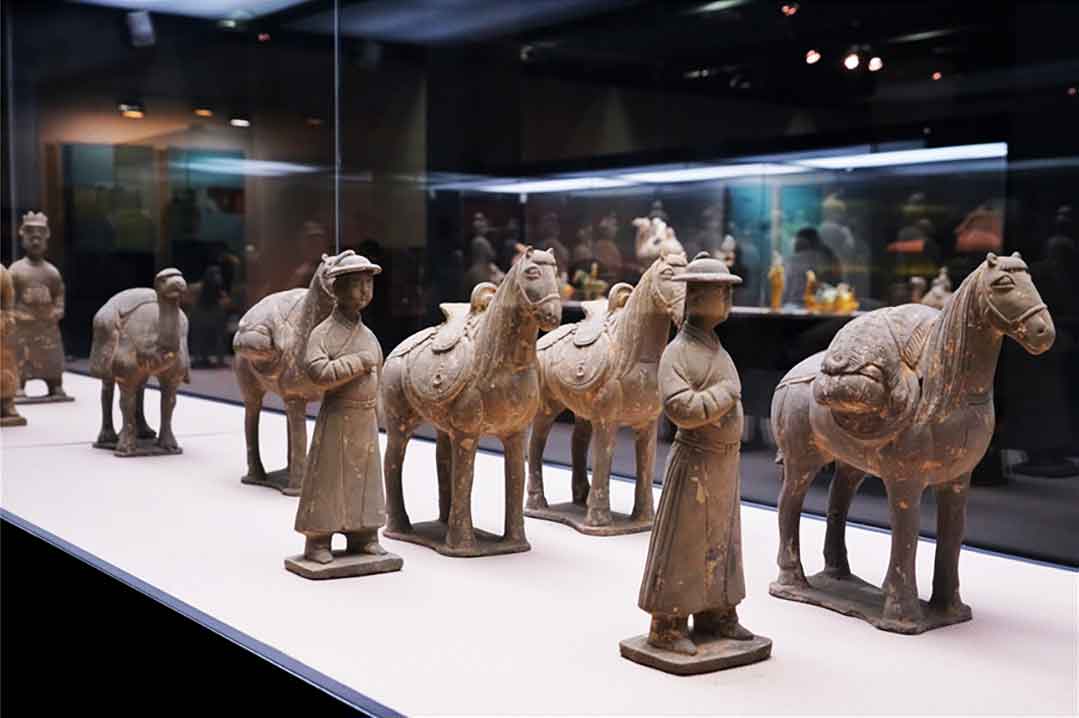
If you’re interested in ancient Chinese history, and want to touch the cultural veins of Zhou, Qin, Han and Tang dynasties in one trip, Xi’an is a must‑visit destination in China.
As the capital of thirteen dynasties, every brick and tile here hides thousand‑year‑old stories.
I spent a week wandering Xi’an last autumn. I followed a historical timeline to experience its full cultural line.
Here is my practical 5‑day guide. Explore all highlights of this ancient capital in one go.
Pre‑trip Prep: Build a Basic Impression of Chang’an
Before the trip, I read The Longest Day in Chang’an by Ma Boyong. I also watched the documentary Daming Palace.
I got a rough idea of Tang‑era Chang’an’s city layout and daily life.
I could immerse myself on‑site. No confusion facing ancient ruins.
Most scenic spots are in downtown Xi’an. All reachable by subway.
Terracotta Army and western‑route sites need shuttle buses or one‑day local tours. Super convenient.
If you enjoy slow in‑depth sightseeing, get a Xi’an subway card or use mobile transit codes. Travel costs stay low.
5‑Day Itinerary: Trace the Ancient Capital Along Historical Timeline
Day 1: Shaanxi History Museum – Keep National Treasures of Thirteen Dynasties in Mind
Starting with this museum was my best choice.
It holds tens of thousands of national treasures from Western Zhou to Tang Dynasty.
- Don’t miss the agate beast‑head cup at the entrance. Its craftsmanship amazes even modern visitors.
- The grape‑flower silver sachet is stunning too. Its inner spice core never spills while rotating.
- Even non‑history lovers admire ancient artisans’ skills.
Tip: Book free regular exhibition tickets on the official website in advance. Buy special exhibition tickets for deeper visits. Join free on‑site guided tours.
Two hours here builds a clear framework of Zhou‑Qin‑Han‑Tang civilization. Later sightseeing will be much smoother.
Walk to the nearby Giant Wild Goose Pagoda North Square afterward. Glance at the pagoda built by Monk Xuanzang. Feel the charm of prosperous Tang early.
Day 2: Emperor Qinshihuang’s Terracotta Army & Lishan Garden – Feel the Last Heartbeat of the Qin Empire
I took a one‑day tour bus to Lintong early in the morning.
I got goosebumps entering Pit 1 of the Terracotta Army.
Thousands of life‑sized pottery soldiers line neatly in tunnels. Each has a unique face. Some smile. Some frown. Like the Qin army waiting right there.
Tour guides say only a small part of Qinshihuang Mausoleum is unearthed. More secrets stay underground. The mystery is charming.
Terracotta Army and Lishan Garden share one ticket. Spend two hours at Lishan Garden.
- This is the real burial site of Emperor Qinshihuang.
- Climb the mound. See the huge earth pile covered with old trees.
- Imagine the underground palace with mercury‑made rivers. Its shock lasts longer than the Terracotta Army.
On the way back downtown, I kept wondering how an ancient emperor mobilized massive labor for such grand projects. It reshaped my view of ancient Chinese civilization.
Day 3: Xi’an City Wall, Forest of Steles, Bell & Drum Towers – Walk from Ancient Culture to Modern Life
Focus on downtown sites on Day 3. First stop: Xi’an City Wall.
It is the world’s best‑preserved ancient city wall. I rented a bike and cycled around it in 90 minutes.
- Wind brushed my face.
- Modern high‑rises lie outside the wall. Old grey‑roofed blocks stay inside.
- The mix of old and new is wonderful.
- Local elders fly kites on the wall. Girls in Hanfu take photos here. Chat with them casually. Locals are very warm‑hearted.
Walk 10 minutes south from the South Gate to Forest of Steles Museum. It is a treasure house of Chinese calligraphy.
- Famous steles by Yan Zhenqing, Liu Gongquan, Su Shi and other masters are collected here.
- I know little about calligraphy. Yet touching the uneven carved marks and neat powerful Chinese characters, I feel thousand‑year‑old cultural power.
Head to Bell and Drum Towers in the evening. They mark the center of ancient Xi’an. They shine brightly when lit up at night.
Grab a bowl of crumbled flatbread in mutton soup with garlic at nearby Muslim Quarter. Taste real Xi’an life while enjoying tower lights.
Day 4: Giant Wild Goose Pagoda, Ci’en Temple, Datang Ever‑bright City – Live as a Tang‑Era Local
Reserve this whole day for Tang culture. Step into Ci’en Temple and climb the Giant Wild Goose Pagoda.
- Monk Xuanzang translated Buddhist scriptures here.
- Buddha statues and scriptures he brought from India are kept inside.
- From the pagoda top, overlook Datang Ever‑bright City pedestrian street. Tang‑style buildings stretch endlessly. You feel like traveling back to prosperous Chang’an.
Spend plenty of time here at night. Enjoy free street shows. Watch the upside‑down lady performance. Actors in Tang costumes reenact ancient street scenes.
Tang‑style palace lanterns line the road. Every photo looks like an ancient painting.
Visit the nearby The Longest Day in Chang’an themed block if time allows. It recreates Tang‑era neighborhoods. Wear Tang‑style costumes. Taste ancient Hu cakes. Step into the world of Chang’an stories.
Day 5: Optional In‑depth Tour – Explore Imperial Mausoleums or Buddhist Culture
I chose Hanyangling Mausoleum on my last day. It is a Western Han emperor’s tomb. Less crowded than Terracotta Army but equally impressive.
- View Western Han pottery figurines up close in site pits.
- Smaller than Qin figurines, with softer facial expressions.
- Vivid animal figurines show totally different Han‑era culture from Qin.
If you love Buddhism, go to Famen Temple in the western route. It holds Buddha’s finger bone relic, one of China’s top Buddhist sacred sites. Its buildings are spectacular.
Handy Tips
- Add one more day for the newly opened Shaanxi Archaeological Museum in southern Xi’an. It shows how cultural relics are unearthed. Perfect for archaeology lovers.
- Spend 1‑2 days visiting Qianling and Zhaoling for Tang imperial mausoleums. They are tombs of Wu Zetian and Emperor Taizong. Mountain‑built mausoleums are breathtaking.
- Xi’an food portions are big. Try roujiamo, crumbled flatbread in mutton soup and biangbiang noodles. Pair them with Ice Peak soda. Taste authentic Xi’an.
Final Words
This route is relaxed. No rushed spot‑checking. Walk slowly. Feel the weight of time everywhere.
You’ll understand why Xi’an is the capital of thirteen dynasties, the root of Chinese civilization.