Shaanxi Travel Guide: Three Landscapes in One Province
A complete guide to Shaanxi’s three distinct regions: Guanzhong (ancient capital), Northern Shaanxi (Loess Plateau) and Southern Shaanxi (Qinling scenery). Includes regional breakdowns, route planning and practical tips for foreign travelers.
I’ve lived in China for years.
I just finished a full‑loop trip across Shaanxi.
I can say this with confidence.
Many foreign visitors only explore Xi’an and leave quickly.
They miss bold loess scenery in Northern Shaanxi.
They miss Jiangnan‑style beauty in Southern Shaanxi.
It’s such a pity.
Shaanxi stretches only 800 kilometers from south to north.
Yet it holds three totally different landscapes.
Plan your Shaanxi trip with this guide.
Pick the right route for yourself.
Leave no regrets.
Why Three Unique Landscapes Exist in Shaanxi
Many travelers are shocked when first arriving in Xi’an.
They thought Shaanxi was all loess plateaus.
Instead, they see wide plains and a prosperous ancient capital.
The answer lies in the Qinling Mountains.
This mountain range runs across central China.
It marks the north‑south geographic boundary of China.
It splits Shaanxi into three distinct landforms.
Last autumn I traveled from Northern to Southern Shaanxi by car.
Driving from Yan’an to Hanzhong in one day.
I saw loess gullies turn to wheat plains.
Then to bamboo forests in the Qinba Mountains.
Such sudden landscape shifts amazed even an experienced traveler like me.
Below are real‑life experiences of the three regions.
Full Breakdown of Three Regions: Which Suits You
Guanzhong: Core Area of Thousand‑Year‑Old Ancient Capital
First‑time visitors to China and Shaanxi must start with Guanzhong.
When I first came to Xi’an, I stayed in a hostel near the city wall.
I cycled along the wall every morning.
The wind carried the smell of lamb paomo.
This vivid sense of history cannot be found in other cities.
Geographically and climatically, Guanzhong covers the 800‑li Weihe Plain.
Flat land with four distinct seasons.
Hot in summer, less cold than Northern Shaanxi in winter.
Spring and autumn are perfect visiting seasons.
All top sights here are history‑related.
You’ve seen the Terracotta Army in textbooks.
Stand in front of the pits.
Thousands of unique‑faced pottery warriors stand before you.
The power of an ancient empire hits you instantly.
I stood there for half an hour, speechless.
Pictures cannot deliver this shock.
Book the Shaanxi History Museum in advance.
Hejiacun gold wares and gold‑inlaid agate cup show thousands of years of Chinese history.
Watch musical fountain shows at the Giant Wild Goose Pagoda at dusk.
Eat lamb paomo at Muslim Quarter at night.
This is the best way to experience Shaanxi.
For nature lovers, Huashan Mountain is two hours from Xi’an.
Hike or take cable cars.
View steep western peaks and sea of clouds at sunrise.
It will stay in your memory forever.
Guanzhong has countless snacks for a week of non‑repeating meals.
Chewy rice noodles, sour‑spicy cold noodles, hearty lamb paomo, savory saozi noodles.
Small old shops in alleys taste better than internet‑famous restaurants at low prices.
Northern Shaanxi: Passion and Faith on the Loess Plateau
If you love modern Chinese history, self‑driving or photography.
Northern Shaanxi will surprise you.
Last autumn I drove on plateau roads here.
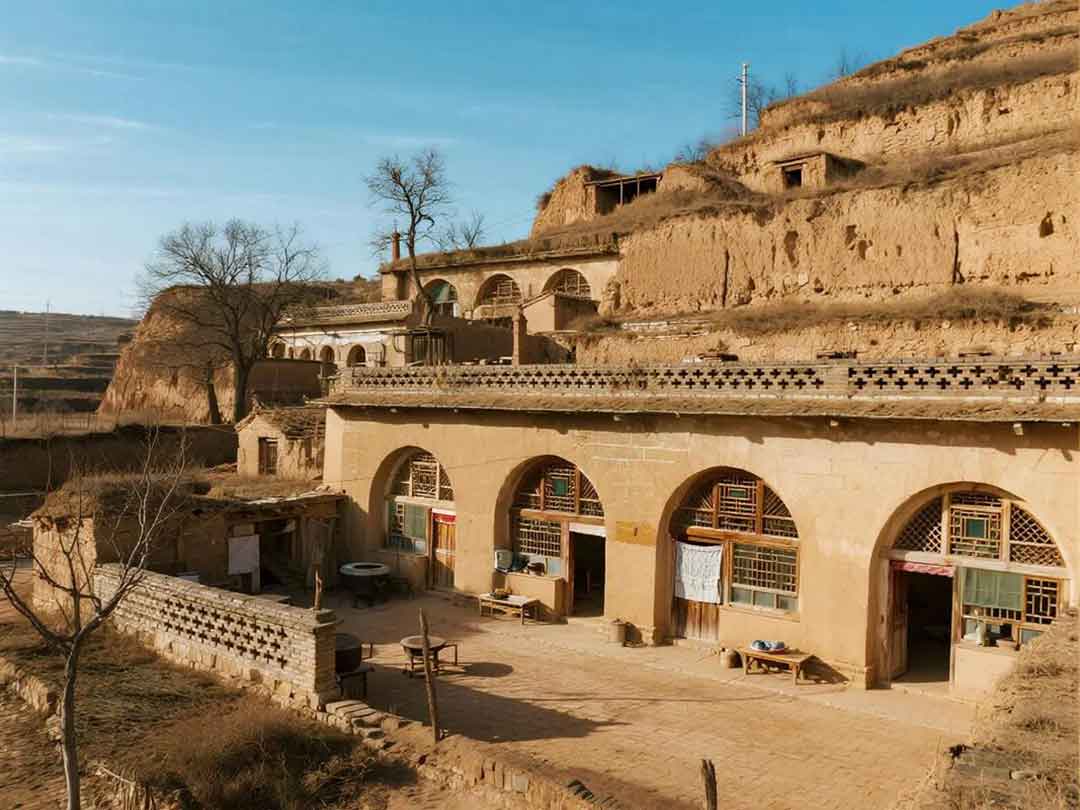
Layered yellow gullies lined both sides.
Golden corn dried in cave dwellings by the road.
Desolate yet warm scenery differs greatly from Guanzhong.
Northern Shaanxi sits on the Loess Plateau.
Dry climate with big day‑night temperature gaps.
Autumn is the best travel season.
Cool weather and golden leaves make great photos.
Two core experiences await here.
Red Culture:
- Visit revolutionary memorial halls in Yan’an.
- See Zaoyuan and Yangjialing where old revolutionaries lived.
- At Yan’an Literature and Art Memorial Hall, I learned stories of artists creating classic works here.
- Immersive history feels more vivid than books.
Frontier Scenery:
- Zhenbeitai in Yulin is a Ming Great Wall ruin.
- Stand on top.
- Watch Great Wall relics stretch toward deserts far away.
- Red Stone Gorge has cliff carvings by ancient scholars.
- History lovers will be fascinated.
In autumn, Hukou Waterfall on the Shaanxi‑Shanxi border has huge water flow.
Yellow river water drops tens of meters down cliffs.
Water mist spreads dozens of meters.
Only seeing it in person lets you feel the power of “Yellow River water comes from heaven”.
Northern Shaanxi serves hearty dishes.
Stewed mutton with no gamey taste.
Perfect with buckwheat noodles.
Soft yellow steamed buns with sweet red bean fillings are irresistible.
Southern Shaanxi: Lesser‑Known Jiangnan South of Qinling Mountains
Escape crowded cities.
Love hiking, summer retreats and nature.
Southern Shaanxi will wow you.
Last summer I escaped Xi’an heat.
Two hours’ drive took me to Niubeiliang in Shangluo.
Temperature was 10℃ lower than Xi’an.
Walk along plank roads.
Lush woods and icy streams cool you down all afternoon.
Xi’an locals really know how to enjoy life.
Southern Shaanxi lies in the Qinba Mountains, between Qinling and Daba Mountains.
Qinling blocks cold northern winds.
Wet climate just like southern China.
Green mountains and clear waters everywhere.
Nothing like common impressions of Shaanxi.
View rapeseed flower seas in Hanzhong in spring.
Hundreds of thousands of mu of golden flowers spread across plains.
Backed by green Qinling peaks.
Every shot makes great photos.Visit Jinsi Gorge in Shangluo and Nangong Mountain in Ankang in summer.
Top summer getaways.Wild giant pandas live in Fuping, Hanzhong.
They are not shy of humans.
You may spot them eating bamboo by roadsides with luck.
Quiet ancient towns lie here, such as Qingmuchuan.
Well‑preserved Republican‑era old streets.
Stay in local homestays.
Wake up to rooster crowing.
Walk along riversides.
Slow pace makes you never want to leave.
Near mountains and rivers, Southern Shaanxi food tastes lighter than Guanzhong and Northern Shaanxi.
Smooth hot rice skin, fresh fish from Hanjiang River, crispy walnut buns great as souvenirs.
Route & Practical Tips for Foreign Travelers
I sorted routes for different trip lengths.
3‑5 Days
- Stay in Guanzhong.
- Visit Xi’an city wall, museums and Terracotta Army.
- Spend one day on Huashan Mountain.
- Feel core Shaanxi charm.
- Budget: 2,000–3,500 RMB per person. High cost‑performance.
7‑10 Days
Add Northern or Southern Shaanxi after Guanzhong.
- History lovers: Spend two days in Yan’an for revolutionary sites and Hukou Waterfall.
- Nature lovers: Spend two days in Hanzhong for flower seas and ancient towns.
Self‑Driving Routes
- Drive the Yellow River Highway along Northern Shaanxi southward.
- Or take the Qinling loop route.
- Link with Sichuan and Shanxi for cross‑province travel.
Transportation
Transport is convenient.
Xi’an is a high‑speed rail hub in western China.
Bullet trains reach Yan’an and Hanzhong in over one hour.
Safety Tips
- Watch official landslide warnings in rainy seasons in Southern Shaanxi mountain areas.
- Drive slowly on winding mountain roads.
Budget Estimate
A 10‑day in‑depth Shaanxi trip costs about 5,000–8,000 RMB per person (excluding international flights).
You will travel comfortably.
Final Words
Shaanxi’s charm lies in its diversity.
Touch thousand‑year‑old history in Guanzhong.
Feel loess passion in Northern Shaanxi.
Enjoy Jiangnan‑style scenery in Southern Shaanxi.
After finishing this full loop, I understand why people say knowing Shaanxi means knowing half of China.
Plan your China trip.
Spend more days visiting all three regions of Shaanxi.
You will fall for this land full of surprises.